
Men's Sports Nutrition Mastery
Discover the essential principles, strategies, and evidence-based approaches to optimize your athletic performance through proper nutrition.
The information on this site is for educational purposes only and does not constitute medical advice. Always consult a qualified healthcare professional before making health decisions.
Key Nutrition Principles for Athletes
Caloric Balance and Energy Intake
Understanding your daily energy expenditure is fundamental. Athletes require more calories than sedentary individuals, and the timing of those calories significantly impacts recovery, performance, and body composition changes. Individual requirements vary based on training intensity, duration, and your specific fitness goals.
Protein: The Building Block
Protein is essential for muscle repair, recovery, and adaptation. Most active men benefit from consuming 1.6 to 2.2 grams of protein per kilogram of body weight daily. Distribute protein intake across meals to maximize muscle protein synthesis and support sustained energy throughout your training day.
Micronutrients and Hydration
Vitamins, minerals, and proper hydration support every physiological process. Iron, magnesium, zinc, and B-vitamins are particularly important for athletes. Maintain consistent hydration before, during, and after exercise to preserve performance, temperature regulation, and endurance capacity.
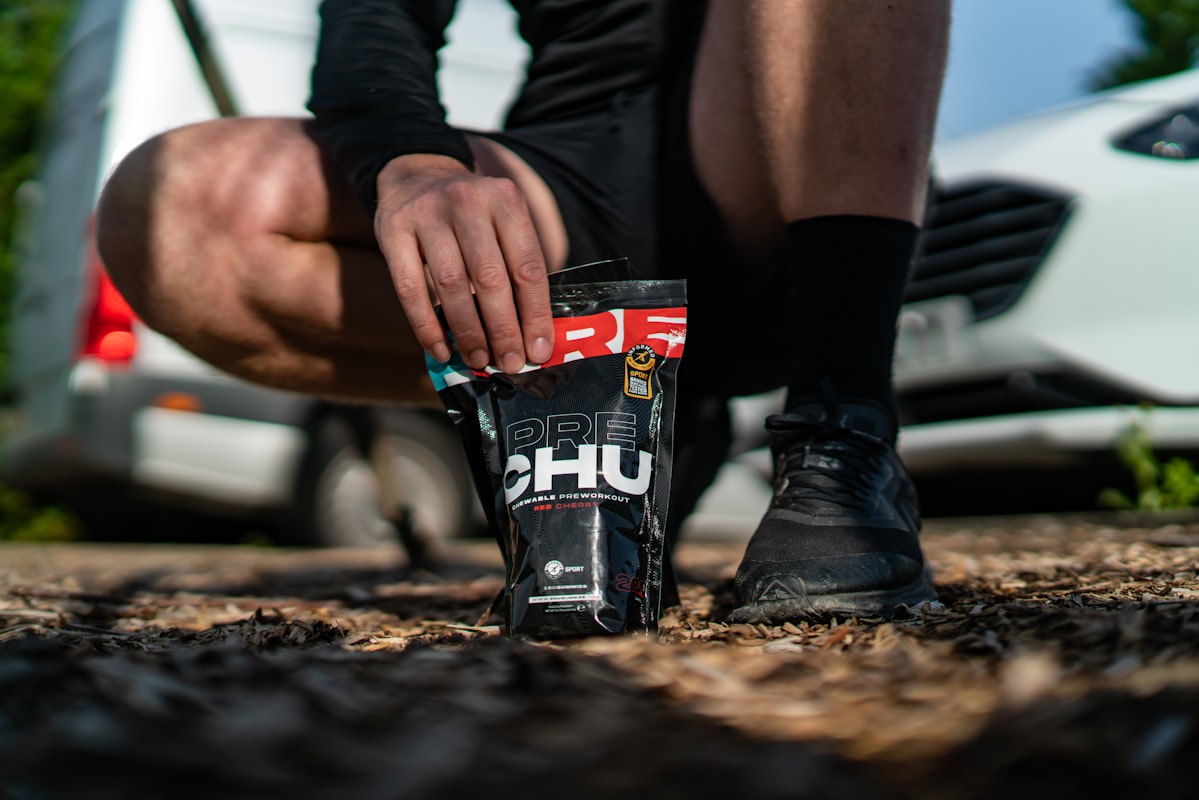
Essential Nutrition Features for Male Athletes
Pre-Workout Nutrition
Consuming the right nutrients 1-3 hours before training fuels your workout and enhances performance. A balanced combination of carbohydrates for energy and moderate protein supports endurance, strength, and focus during intense exercise sessions.
Post-Workout Recovery
The recovery window (within 30-60 minutes post-exercise) is optimal for muscle repair. Consuming protein and carbohydrates during this period accelerates glycogen restoration and muscle protein synthesis, reducing soreness and improving adaptation to training stress.
Supplementation Strategy
While whole foods form the foundation, targeted supplements like whey protein, creatine, and electrolytes can support performance and recovery. Choose evidence-based options and ensure they complement your overall nutrition plan, not replace quality food intake.
Hydration Optimization
Dehydration impairs performance, focus, and recovery. Drink consistently throughout the day and during exercise. For intense sessions lasting over 60 minutes, sports drinks with carbohydrates and electrolytes help maintain energy and fluid balance.
Periodized Nutrition
Adjusting your nutrition according to training phases—off-season, pre-competition, and recovery—maximizes adaptation and performance gains. Increase calories and carbs during heavy training blocks, reduce during recovery phases, and optimize protein year-round.
Meal Planning and Tracking
Consistent meal planning ensures you meet your nutritional targets without guessing. Track macronutrients (protein, carbs, fats) and key micronutrients to identify gaps, optimize performance, and adjust strategies based on real data and individual progress.
Protein-Rich Meal Ideas for Athletes

Grilled Chicken & Quinoa Bowl
Lean grilled chicken paired with quinoa and colorful vegetables. Provides approximately 35g protein, complex carbohydrates, and essential micronutrients for sustained energy and recovery.
Greek Yogurt Protein Parfait
Layered Greek yogurt with fresh berries and granola. Rich in probiotics and protein, this meal supports gut health and provides quick-digesting amino acids perfect for post-workout recovery.
Wild Salmon Dinner Plate
Omega-3 rich salmon with roasted sweet potato and asparagus. Delivers high-quality protein, anti-inflammatory fats, and natural carbohydrates for optimal recovery and joint health.

Lean Beef & Brown Rice
High-iron lean beef paired with brown rice and steamed broccoli. Provides complete amino acids, iron for oxygen transport, and sustained carbohydrate energy for strength training sessions.

Egg White Omelet Breakfast
Fluffy egg white omelet with whole grain toast and fresh fruit. Quick-digesting protein and carbohydrates start your day right, supporting morning training performance and muscle recovery.

Turkey & Lentil Power Bowl
Lean ground turkey combined with fiber-rich lentils and mixed vegetables. Complete plant-based and animal protein combination supports sustained energy, digestive health, and muscle development.
Your Nutrition Optimization Journey
Assess Your Current Intake
Track your typical daily food and beverage consumption for 3-5 days. Note the types of foods, portion sizes, and timing of meals. This baseline data helps identify current strengths and reveals specific areas where optimization will have the greatest impact on your performance and recovery.
Calculate Your Targets
Determine your daily caloric needs based on training volume, intensity, and body composition goals. Calculate protein requirements (1.6-2.2g per kg), ideal carbohydrate timing, and hydration targets. Consider your activity level, recovery capacity, and individual metabolism to establish realistic, sustainable targets.
Build Your Meal Plan
Create a structured meal plan incorporating whole foods that align with your calculated targets. Balance proteins, carbohydrates, and healthy fats across 3-4 main meals and strategic snacks. Time your pre- and post-workout nutrition intentionally to maximize performance and recovery outcomes.
Monitor and Adjust
Track your performance metrics, body composition changes, and recovery quality every 2-3 weeks. Monitor energy levels, training strength, and overall well-being. Make small, evidence-based adjustments to calories, macronutrient ratios, or meal timing based on actual results rather than theory alone.
Frequently Asked Questions About Sports Nutrition
How much protein do athletes really need?
Most active men benefit from 1.6 to 2.2 grams of protein per kilogram of body weight daily. Exact requirements depend on training type, intensity, age, and body composition goals. Strength athletes may need the higher range, while endurance athletes can succeed at the lower end. Individual experimentation helps determine your optimal amount.
What's the ideal pre-workout meal timing?
Consume a balanced meal 2-3 hours before training or a light snack 30-60 minutes prior. The meal should contain carbohydrates for energy and moderate protein to prevent muscle breakdown. Individual tolerance varies—experiment during low-priority sessions to find what supports your performance without causing gastrointestinal distress.
Can supplements replace whole foods?
No. Whole foods contain thousands of bioactive compounds, fiber, and nutrients that isolated supplements cannot fully replicate. Use supplements to fill specific gaps or improve convenience—such as whey protein powder post-workout—but prioritize nutrient-dense whole foods as your foundation for health and performance.
How does hydration affect athletic performance?
Even 2% dehydration impairs strength, endurance, and mental focus. Drink consistently throughout the day—aim for pale yellow urine—and during exercise based on duration and intensity. For efforts over 60 minutes, sports drinks with carbohydrates and electrolytes help maintain performance. Post-exercise, drink 150% of fluid lost to rehydrate fully.
Should I adjust nutrition during off-season?
Yes. Off-season allows more flexibility and higher calorie intake to support muscle growth without competition pressure. Pre-competition phases may require stricter macronutrient control. Recovery periods can include slightly reduced calories if body composition adjustment is desired. Periodized nutrition optimizes adaptation and performance throughout the athletic calendar.
What role do carbohydrates play in recovery?
Carbohydrates replenish muscle glycogen—your primary energy source during intense exercise. Consuming 1-1.2g per kilogram of body weight within 30-60 minutes post-workout accelerates recovery and prepares you for the next session. Combining carbs with protein enhances muscle repair. Don't fear carbs; they're essential for athlete recovery and performance.
Optimize Your Athletic Potential
Discover science-backed nutrition strategies, meal planning guides, and expert insights tailored for active men. Explore our comprehensive articles and resources to elevate your performance.
Real Athletes Share Their Nutrition Insights
"After learning proper pre- and post-workout nutrition timing, my recovery improved dramatically. I'm sleeping better, feeling stronger in sessions, and my lifts have increased consistently. Understanding macros changed everything for my training journey."
Marco García, Madrid
"I used to eat randomly and wonder why I was always tired. Once I started tracking my intake and hitting protein targets consistently, my endurance improved and my body composition shifted exactly as planned. Education is the foundation of success."
David Rodríguez, Barcelona
"Hydration seems simple, but optimizing my daily intake and electrolytes during training made a noticeable difference in performance and mental clarity. The resources here provided practical, non-complicated strategies I could actually implement."
Javier Fernández, Sevilla
Core Supplements for Athletic Performance
Whey Protein Isolate
Fast-digesting protein source ideal for post-workout recovery. Contains all essential amino acids and supports muscle repair when consumed within 30-60 minutes after exercise. Convenient alternative to whole foods when timing is tight.
Typical dose: 20-40g per serving
Creatine Monohydrate
One of the most researched supplements with consistent evidence supporting strength gains and muscle development. Increases cellular energy production during high-intensity efforts. Well-tolerated with minimal reported side effects.
Typical dose: 3-5g daily
Electrolyte Formula
Sodium, potassium, and magnesium support hydration, muscle function, and electrolyte balance during intense or prolonged exercise. Helps prevent cramping and maintains performance in hot conditions.
Use during sessions over 60 minutes
Caffeine
Evidence-based ergogenic aid that enhances focus, strength, and endurance. Improves central nervous system activation for better workout intensity.
Use 30-60 minutes before training
What Our Users Say
"Musclefuelmale transformed my training. I have more energy, better endurance, and I'm seeing real gains. Highly recommend!"
Marcus Johnson
Fitness Enthusiast
"The pre-workout blend is incredible. I feel the difference within minutes. My workouts are longer and stronger."
David Chen
CrossFit Athlete
"Recovery has never been easier. The amino acid formulas help me bounce back faster and train harder the next day."
James Rivera
Professional Trainer
Frequently Asked Questions
When should I take pre-workout?
Take pre-workout 30-60 minutes before your training session for optimal absorption and peak performance during your workout.
Can I stack multiple products?
Yes! Many users stack pre-workout with creatine and BCAAs for enhanced results. Start with single products first, then experiment with combinations based on your goals.
Are your products suitable for beginners?
Absolutely. We offer beginner-friendly dosages and formulations. Start with our foundational products like basic protein and creatine before moving to advanced formulas.
Do you offer international shipping?
We ship to most countries worldwide. Shipping costs and delivery times vary by location. Check our shipping page for details.
What's your return policy?
We offer a 30-day money-back guarantee. If you're not satisfied, return your unused product for a full refund, no questions asked.